博文

How long does LiFePO4 battery last?

图片
  The lifespan of a   LiFePO4 (Lithium Iron Phosphate) battery   depends on several factors, including its usage patterns, operating conditions, and maintenance practices. However, in general, LiFePO4 batteries are known for their exceptional longevity when compared to other lithium-ion battery chemistries. Let's explore the typical lifespan and factors influencing it: 1. Typical Lifespan LiFePO4 batteries have an average lifespan of around 2,000 to 3,000 charge-discharge cycles. A charge-discharge cycle refers to the process of charging the battery to its full capacity and then discharging it completely. It is important to note that one cycle can be a full 100% discharge or two 50% discharges, as long as they add up to one full cycle. 2. Depth of Discharge (DoD) The depth of discharge (DoD) plays a significant role in determining the battery's lifespan. The DoD refers to the percentage of the battery's capacity that is used during each discharge cycle. Shallower discharg...
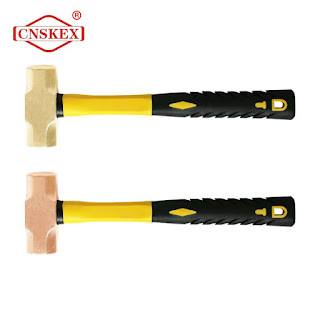
How do non sparking tools work?

图片
  Non-sparking tools, also known as spark-resistant tools , are specially designed to minimize the risk of sparks and ignition in potentially explosive environments. These tools are made from materials that do not produce sparks when struck or used, making them ideal for use in areas where flammable gases, vapors, or dust are present. Here's how non-sparking tools work and why they are crucial for certain industries: 1. Material Selection: Non-sparking tools are typically made from alloys that have low ferrous content, such as copper, aluminum, bronze, or beryllium copper. These materials have low friction and are softer than ferrous metals like steel. When these non-sparking materials come into contact with each other or other surfaces, they do not produce enough friction to create sparks. 2. Non-Ferrous Composition: The absence of iron or steel in the composition of non-sparking tools is the key factor in preventing sparks. Ferrous metals can produce sparks due to the high heat g...

Just How Beautiful Are Faux Fur Rugs?

图片
  Faux fur rugs   are undeniably beautiful and offer an exquisite and luxurious touch to any space they adorn. These rugs are crafted to mimic the appearance and texture of real animal fur while being a more ethical and sustainable option. Here's why faux fur rugs are considered exceptionally beautiful: 1. Luxurious Appearance: Faux fur rugs exude a sense of luxury and opulence that can instantly elevate the aesthetics of a room. The soft, plush fibers closely resemble the look and feel of real fur, creating a lavish and inviting ambiance. 2. Rich Texture and Depth: The texture of  Luxury faux fur rug  is rich and multi-dimensional, with varying lengths and shades of fibers that create depth and visual interest. When sunlight or artificial light catches the fibers, it adds a warm and glowing effect, making the rug truly eye-catching. 3. Versatile Designs and Colors: Faux fur rugs come in a wide array of designs, patterns, and colors, offering versatility in choosing ...

The Advantages of Plasma Cutting in Metal Fabrication

图片
In the world of metal fabrication, technological advancements have revolutionized the way we shape, cut, and manipulate metal materials. One such innovation that has gained immense popularity is plasma cutting. This cutting-edge technique offers numerous advantages over traditional methods, making it an indispensable tool for metal fabricators across industries. In this article, we will explore the   advantages of plasma cutter   in metal fabrication and shed light on how it surpasses other cutting methods in terms of efficiency, precision, versatility, and cost-effectiveness. Enhanced Efficiency and Speed Plasma cutting is known for its exceptional speed and efficiency. By utilizing a high-velocity jet of ionized gas, known as plasma, this technique can effortlessly slice through various metals with remarkable speed and accuracy. Unlike conventional cutting methods, plasma cutting doesn't rely on physical force or mechanical pressure. Instead, it harnesses the power of plasma...

Understanding the Benefits of Hydroxypropyl Methyl Cellulose (HPMC)

图片
  Hydroxypropyl Methyl Cellulose (HPMC)   is a versatile compound with a wide range of applications in various industries, including pharmaceuticals, food, cosmetics, construction, and more. It is derived from cellulose, a natural polymer found in plant cell walls. HPMC offers numerous benefits due to its unique properties and functionalities. In this article, we will delve into the benefits of HPMC, highlighting its importance and applications in different industries. Improved Product Performance HPMC is known for its ability to enhance the performance of products in various applications. In pharmaceutical formulations, it acts as a binder, providing cohesive properties and facilitating tablet formation. HPMC also serves as a viscosity modifier and film-former in personal care products, contributing to the desired texture, stability, and sensory experience. In construction materials, HPMC acts as a thickener, water retention agent, and binder, improving workability, adhesion,...

Ductile Iron Pipes and Fittings: The Ultimate Guide

图片
Introduction Welcome to our comprehensive guide on ductile iron pipes and fittings . In this article, we will delve into the world of ductile iron, exploring its properties, benefits, applications, and installation process. Whether you're a construction professional, engineer, or simply curious about this versatile material, you've come to the right place. Understanding Ductile Iron Ductile iron, also known as nodular cast iron or spheroidal graphite iron, is a type of cast iron that offers superior strength, durability, and flexibility compared to traditional cast iron. Its unique microstructure, characterized by spherical graphite nodules, gives it enhanced mechanical properties, making it an ideal choice for various applications. Properties and Advantages Ductile iron possesses several key properties that contribute to its widespread usage: Strength and Durability: Ductile iron exhibits high tensile strength, making it resistant to bending and breaking under pressure. It can...

Types and Applications of Drainage Pipes

图片
  Drainage pipes   play a vital role in managing water flow and preventing waterlogging in various settings. From residential properties to commercial buildings, agricultural fields to industrial sites, drainage pipes are essential components of effective water management systems. In this comprehensive guide, we will explore the different types and applications of drainage pipes, providing you with valuable insights to help you make informed decisions for your specific needs. 1. PVC Drainage Pipes Polyvinyl chloride (PVC) drainage pipes are widely used in various applications due to their durability, cost-effectiveness, and resistance to corrosion. These pipes are lightweight, making them easy to handle and install.  PVC drainage pipes  are available in various sizes, allowing for flexibility in different projects. Their smooth interior surface promotes efficient water flow, reducing the risk of clogs and blockages. Common applications of PVC drainage pipes include r...